Your people know exactly what to do. Most of them still won’t do it.
It is the most expensive problem in any sales-driven organization, and it never appears on the P&L. Capable people — hired, trained, motivated — quietly stop doing the work and wash out. It is almost never a training problem. This page is the explanation, and the method that closes the gap.
To put it in front of your people: the keynote. Want it for yourself first? The complete video training is free at beunquittable.com, free, no email.
Look at any field that runs on people who have to make themselves act. The same thing is happening.
These are not fringe numbers or cherry-picked outliers. They are the base rates, traced to the institutions that measure them — and the pattern is the same wherever the work is self-directed.
B2B sales
Average quota attainment across B2B sales organizations is 47% — while the median individual seller attains 101%. The average is not dragged down by people who cannot sell.
Forrester — Seth Marrs, 2023
Sales development
Median annual SDR attrition is 40%. Only 24 of those points are departures — 13% involuntary, 11% voluntary. The other 16 points are promotions.
The Bridge Group, 2025 — n=351 B2B companies, 2024 data
Wealth management
Cerulli puts the rookie advisor failure rate at more than 72%.
Cerulli Associates, 2023 — on 2022 data
Real estate
Sixty-two percent of REALTORS® with two years of experience or less made less than $10,000 in 2024. Median gross income for that group: $8,100.
National Association of REALTORS® 2025 Member Profile — 2024 income; n=4,947
Every figure above is attributed to the organization that produced it, with the year of the underlying data and the sample where the publisher discloses one. Figures that could not be traced to a primary source have been removed from this page rather than softened.
The problem was never that they didn’t know what to do. Knowing has never been what makes a person move.
It isn’t a training problem. The wrong half is being solved.
When production sags, the reflex is to add more: more training, more product knowledge, more comp incentives, more motivational energy at the kickoff. Each of these pulls on the same lever — a reward the person is moving toward. The carrot.
The carrot works, right up until the morning it doesn’t. And behavioral economics has known for decades why it runs out: it is the weaker of the two forces that move a human being. People will work harder to avoid a loss than to secure an equivalent gain. The half almost every organization ignores — an honest, vivid, personally-felt picture of what happens if nothing changes — is the stronger one.
That is the whole diagnosis. The gap between what your people know and what they do is not a knowledge gap or a discipline gap. It is a motivation-mechanics gap — the wrong half of the engine is the only half being used. It is fixable, and it is teachable in a single sitting.
The farmer and the oxcart.
A farmer had fertile land and no way to get his crops across the river to market. He didn’t know how to build a bridge, so he learned from the carpenter. Now he had a bridge — and no way to pull the cart across it. So he bought an ox from the village elder. A good ox. A strong ox. And the ox refused to move.
“How did you motivate him?”
“Motivate him? He’s an ox. He should know what to do and do it.”
Do you always do what you’re supposed to do? Or do you need to be motivated sometimes yourself?
The elder told him to find what the ox loved. Carrots. So the farmer dangled one in front of him, and the ox pulled the cart to get at it. That worked beautifully — as long as the ox was hungry. When he wasn’t, it didn’t work at all.
So the elder asked a different question. What do you do when you don’t feel like working, but you know you need to? “I think about my crops rotting in the field. My family going hungry. That gets me out of bed no matter how tired I am.” And what does the ox not like? “He hates anything touching his tail.”
After that, the farmer kept a stick within reach. Usually just showing it was enough.
Sometimes the carrot worked. Sometimes the stick worked. Using them together, he always got his crops to market.
Every organization in the numbers above is running the farmer’s first strategy: a bigger and bigger carrot, held in front of an ox that isn’t hungry.
He didn’t learn this in a classroom.
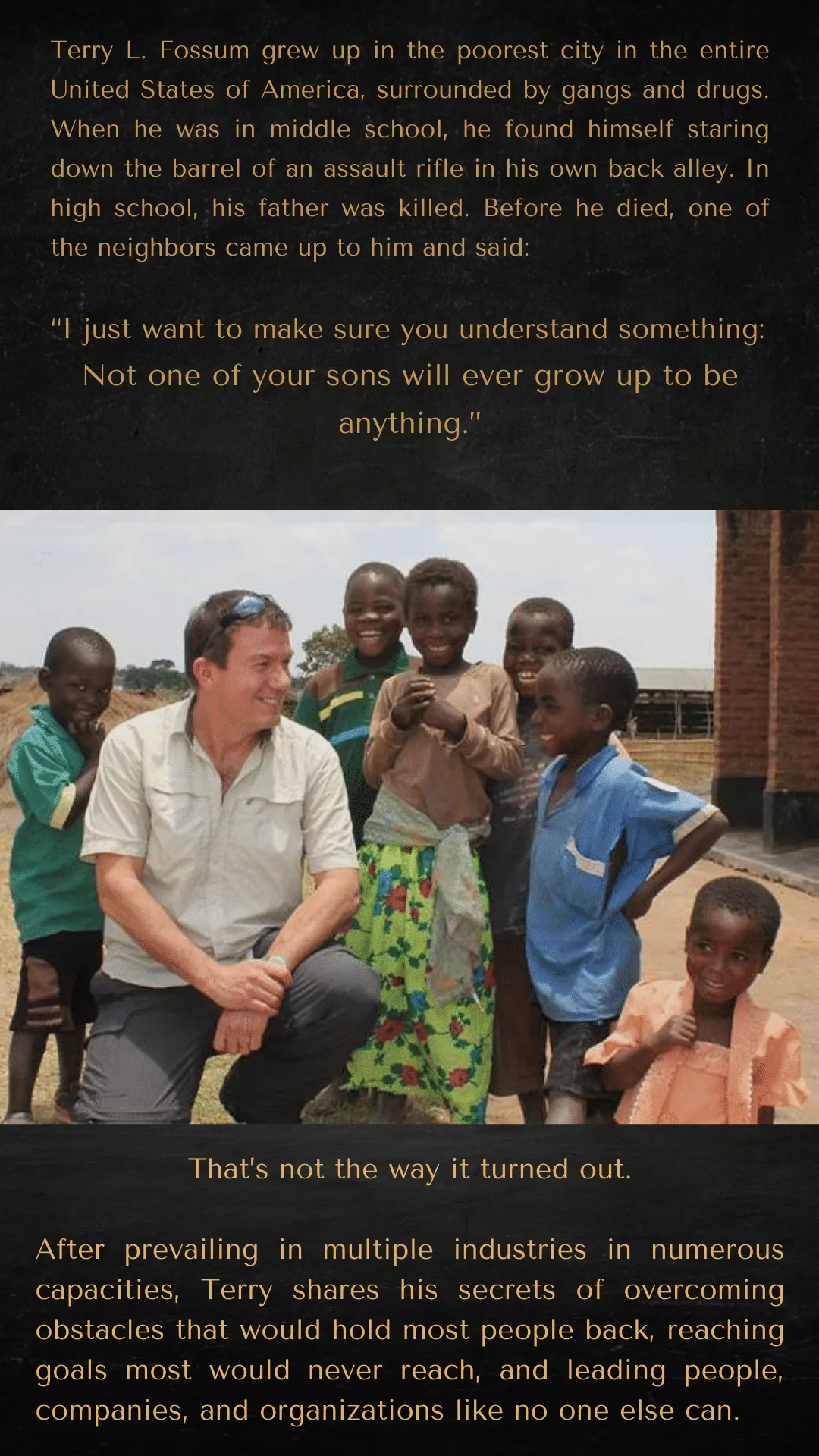
Terry L. Fossum grew up in McAllen, Texas — at the time, the poorest city in the United States. In middle school he was staring down the wrong end of an assault rifle in his own back alley. In high school, his father was killed. Before he died, a neighbor came to him and said:
“I just want to make sure you understand something. Those three boys of yours — not a single one of them will ever grow up to be anything.”
Years later, with a business he’d started going under and every book, tape and seminar having handed him one more carrot, he stood in front of a bathroom mirror and heard himself agree with the man. He’s right. You’re never going to grow up to be anything.
And then refused it. That refusal — the one future he would not allow — is the stick. He wrote it down, put it on the wall, and read it out loud twice a day. He went on to reach the top fraction of 1% in worldwide direct sales, and his brother became a U.S. astronaut.
The method came out of that. Not a lab.
The carrot, the stick, and the bridge.
The Oxcart Technique gives a person both halves of the engine, in three written pages they keep in front of their own face. A Success Scenario — the carrot, a vivid picture of the life the goal buys. A Failure Scenario — the stick, an honest picture of the life it costs. And an Action Plan — the bridge, the daily steps between the two. Read out loud morning and evening, every day: the Failure Scenario first, then the Action Plan, then the Success Scenario.
The mechanism underneath it is not motivational theatrics. It is Prospect Theory, the framework that won Daniel Kahneman the Nobel Prize in Economics in 2002 — paired with the Elaboration Likelihood Model of persuasion (Petty and Cacioppo). Terry L. Fossum took two rigorous bodies of science and did the hardest thing with them: made them simple enough to use before breakfast. The book’s foreword is written by a Dartmouth psychologist who wrote his doctoral dissertation on Prospect Theory itself.
Success Scenario
A written, vivid picture of the life the goal buys. The pull.
Failure Scenario
An honest, written picture of the life it costs. The push — and the half everyone leaves out.
Action Plan
The specific daily actions that carry a person from one to the other.
The people who study behavior change — and the people who build sales organizations — recognized what this is.
“This book gives you a novel twist to the old “carrot and stick” marketing principle that is simple — and simply powerful… Fossum’s book spotlights your way to success.”
Author of Triggers, What Got You Here Won’t Get You There, and The Earned Life.
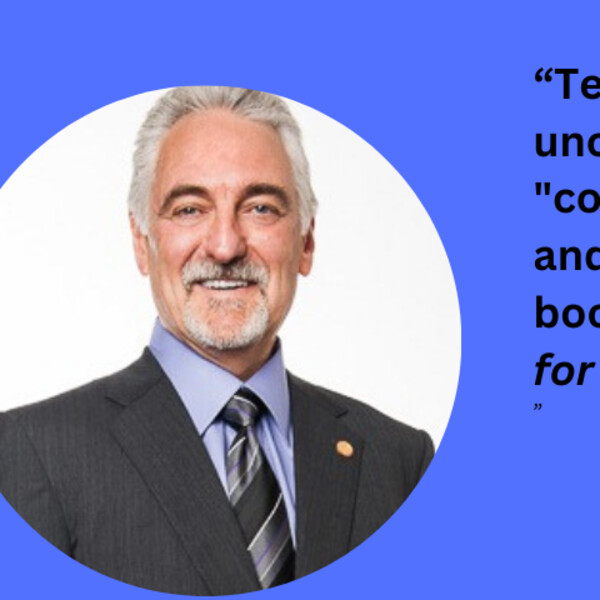
“…Terry L. Fossum gives you a new, uncommon application for the “common knowledge” of the ‘carrot and stick’ marketing principle in his book. And it works — every time!”
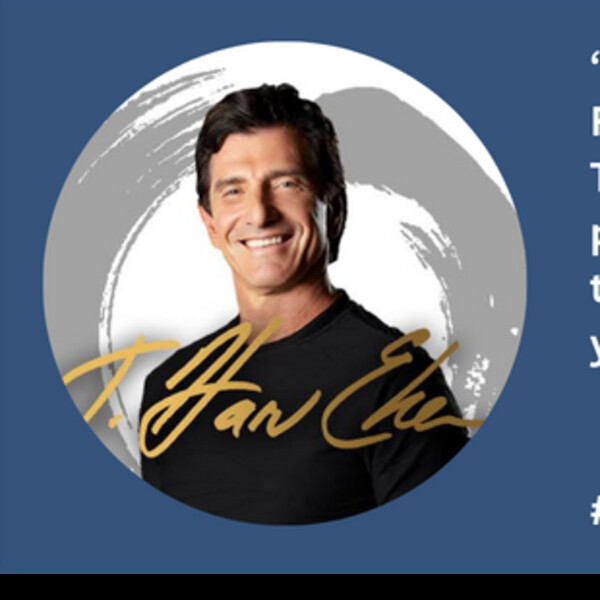
“Whatever your dreams and goals, Terry L. Fossum’s results-oriented book provides you with a truly effective version of the carrot-and-stick technique that will lift your spirits and get results.”
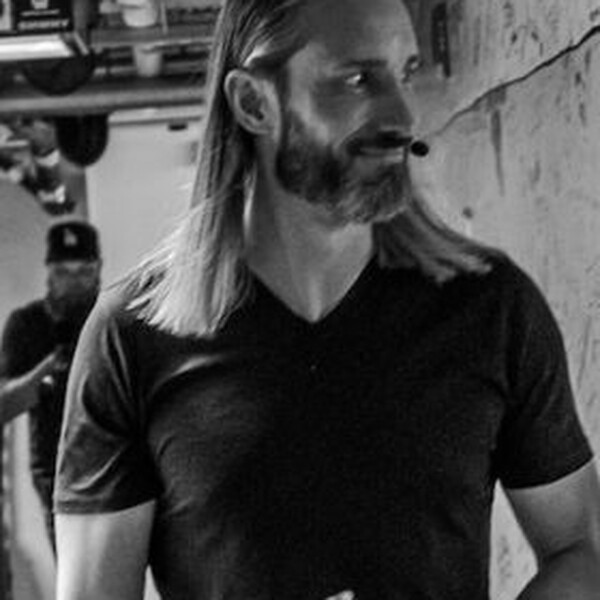
“Terry L. Fossum’s new book gives you a simple but powerful technique that can help you overcome any barriers standing in your way to whatever goal you want to achieve. Check it out! It’s amazingly powerful and effective!”

“The carrot the ox enjoys and the stick he avoids in Terry L. Fossum’s book will help you to be successful in everything you try.”
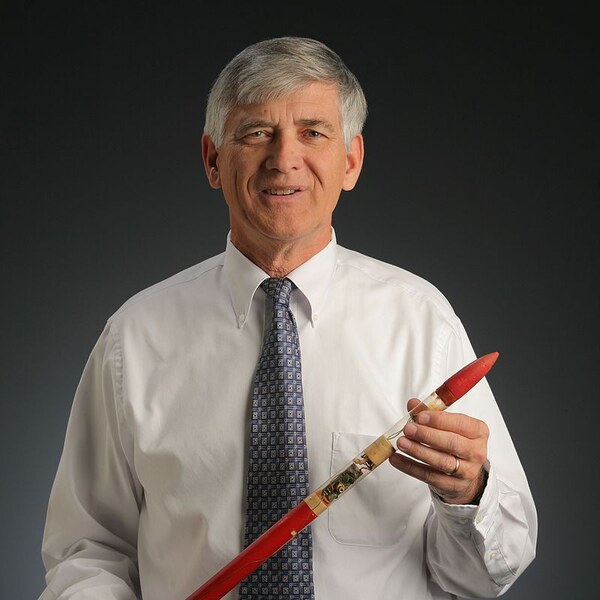
“The Oxcart Technique is the most significant advancement in the science of goal setting in recent history.”
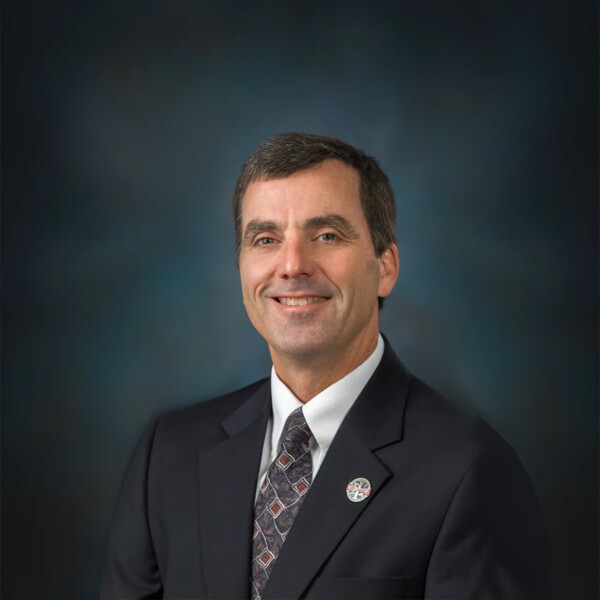
“Terry cuts right to the chase in identifying and overcoming every challenge in an easily relatable and clear voice. His humble candor about his own challenges and failures… reinforces the great utility in this “blueprint for success” that everyone can apply for themselves.”

“Albert Einstein said, “The definition of genius is taking the complex and making it simple.” That’s exactly what Terry L. Fossum has done in the book you now hold in your hands.”
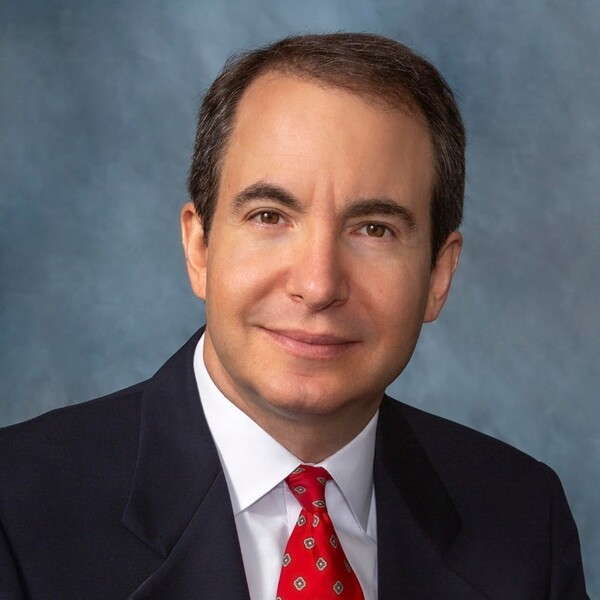
“Terry L. Fossum’s book is a testament to the genius of simplifying the complex… His Oxcart Technique distills decades of research into actionable strategies that inspire and drive results.”
Everything your field already teaches is right. It’s just half.
Choose the world you know. Here’s what it already does well — and the one piece the science says it’s missing.
The talent is real. They know the product, they can run the demo, and most of them have carried a number somewhere before — that is why you hired them. The pipeline math works, provided the activity actually happens.
- ✓Run the kickoff.
- ✓Set the number.
- ✓Post the leaderboard.
- ✓Add the accelerator and the Club trip.
- ✓Refresh the training and the deck.
All good. All true. All carrot.
All of it is right, and the room leaves the kickoff lit up. Then the quarter starts. The first cold call goes badly. A champion goes quiet. A deal that was verbal slips, and the forecast call gets uncomfortable. So calls quietly become “research,” the pipeline gets padded with deals nobody believes, and by week six the CRM is a story about activity rather than a record of it. That isn’t a discipline problem — it’s Prospect Theory: we work harder to avoid a loss than to chase a gain. The Club trip is a gain, months away. The awkward call is a loss, today. Today wins.
An enterprise account executive in month seven — the one your forecast is quietly deciding about.
“It’s next December. I missed the number two years running. I’ve stopped opening the dashboard. The deals I called commit slipped, and my manager has stopped asking me why — he’s started asking around. I spend Sunday nights building a pipeline story instead of a pipeline. I know exactly what this looks like from the outside, because I watched it happen to someone else and I told myself I was different.”
“I will make fifteen live outreach touches before 10 a.m., every day — voices, not emails I can hide behind. I will ask for the next meeting before I leave the current one. I will put an honest close date on every deal or take it out of the forecast. I will call the champion who went quiet, this week. I will trade the second hour of “research” for an hour of first calls.”
“It’s next December. The number came in early. My forecast is boring — my manager stopped double-checking it because it keeps being right. The champion who went quiet became my best reference. I’m at Club with my family, and I got here by doing the part I used to avoid.”
That is one page, for one person. Now picture a room of your people building their own — in their own words, about their own lives — out loud, in sixty minutes, with Terry running it. That is why the companies and leaders who bring him in want every one of their people in that room.
Build one yourself, on a goal you actually have.
The fastest way to understand what this does to a room is to feel it work on you. Ten honest minutes. We email your pages to you so they don’t vanish when you close the tab.
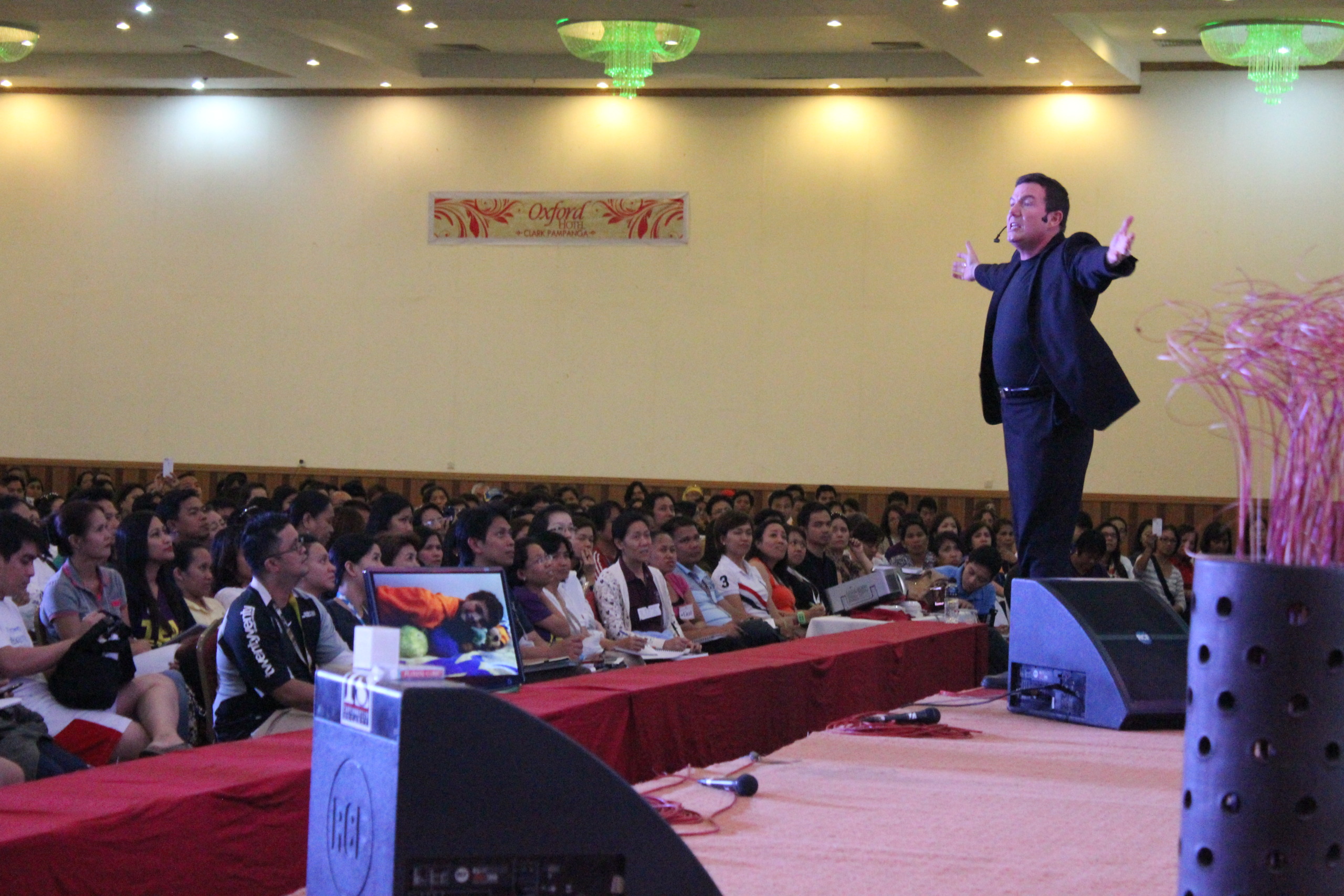
What Terry does in the room.
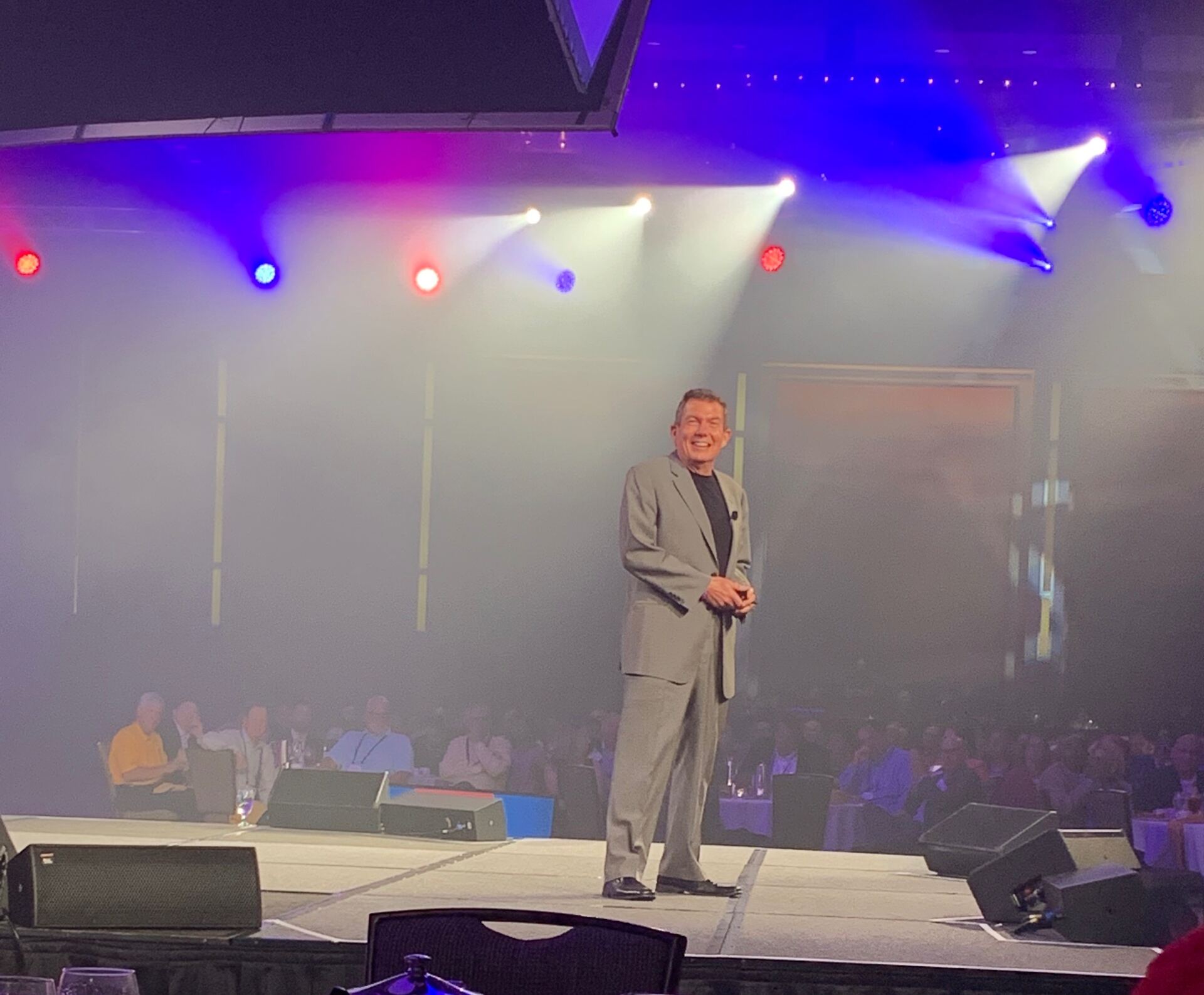
Terry L. Fossum delivers the Oxcart Technique as the keynote Never Miss a Goal Again. It is built for the rooms these numbers live in — sales kickoffs, agency and brokerage all-hands, and the leadership tracks of industry associations.
The audience does not just hear about the method. They build their own Oxcart, live, on a goal that matters to them, and walk out with the daily practice that keeps them doing the work after the applause fades. Most of the room feels it in their chest while they write. Many come back and say it was the thing that changed the year.
“As the opening keynote for our Expo, Terry got a standing ovation and set the tone for the entire conference. Without doubt, the best speaker we’ve ever had.”
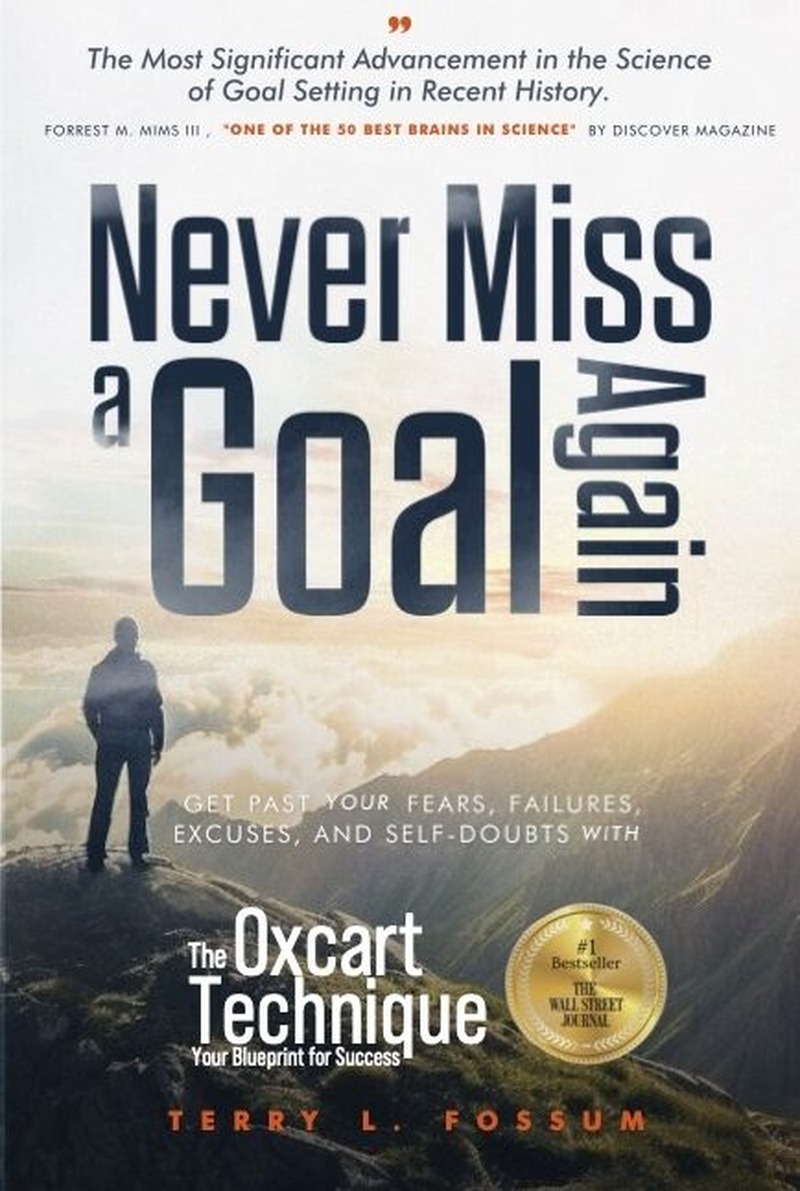
Never Miss a Goal Again
The Oxcart Technique, start to finish.
The second edition of Terry L. Fossum’s #1 Wall Street Journal, Amazon, and Barnes & Noble bestseller, The Oxcart Technique — and a USA Today bestseller. Foreword by Dr. Dennis Tansley, PhD (Dartmouth). For the individual who wants the whole method — or for the organization that wants to put the playbook in every rep’s hands.
“Why You Didn’t Reach That Goal… Again.”
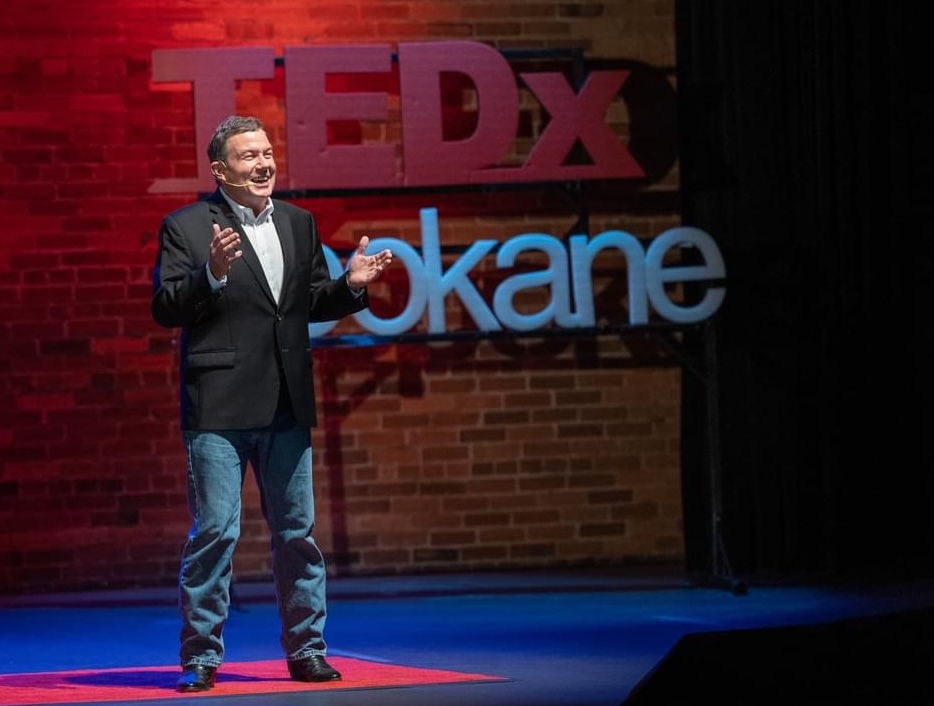
Terry L. Fossum’s TEDxSpokane talk — which debuted as the #2 New TEDx Talk in the World and has been named one of the 30 most impactful TEDx talks of this century by Los Angeles Business magazine. Fifteen minutes on why knowing your goal was never the problem.